 AgTerms
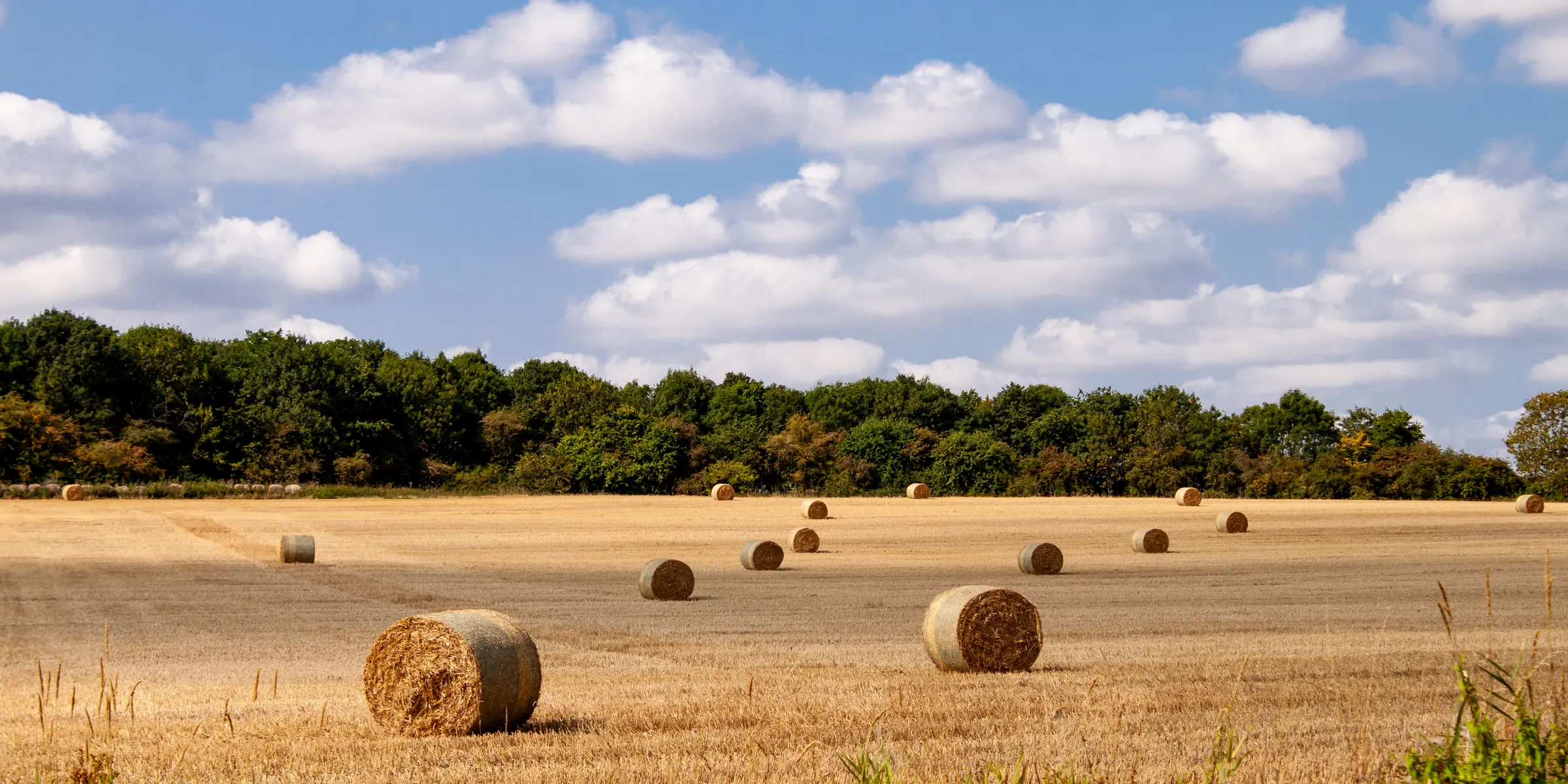
A hay lease rents ground for hay or other forage. The rent is usually cash per acre, though some leases pay with a share of the bales or a price per bale or ton harvested.
Hay is a multi-year crop, so the lease has to look after the stand: fertility, cutting dates and reseeding all affect what the field is worth next year.
How the rent works
Cash per acre is simplest. Paying per bale or ton ties the rent to the crop, but then the lease must say how bales are counted and weighed.
Fertility is the usual sticking point. Hay removes a lot of nutrients, so agree on who applies fertilizer and lime, and who pays to reseed when the stand thins.
Example
- Acres of hay
- 60
- Rent
- $120 per acre
- Annual rent
- $7,200
- Due
- June 1
Figures are for illustration only.
What to put in writing
- The fields and acres, and the rent basis (per acre, per bale or per ton)
- Who pays for fertilizer, lime and reseeding
- The number of cuttings and the last cutting date before winter
- Who owns the bales, where they are stored, and when they must be moved
- Weed control
- The term, renewal and notice deadline
What each side should keep an eye on
Farmer
- Soil tests, to back up fertilizer decisions
- The last cutting date in the lease
- Removing bales by the agreed date
Landowner
- The condition of the stand year to year
- That fertility is kept up as agreed
- Bales left on the field past the deadline
Run a hay and forage lease in AgTerms
- Rent per acre and the payment schedule, with reminders
- Soil tests and invoices shared as documents
- Fertilizer and reseeding duties tracked as obligations
- Field updates with photos after each cutting
Set it up by answering a few questions, by describing the deal in your own words, or by uploading the lease you already signed. Free for up to 2 active agreements.
Create a free accountQuestions
Who pays for fertilizer on rented hay ground?
It varies, which is why it belongs in the lease. Often the farmer pays for maintenance fertilizer and the two sides share the cost of lime or reseeding, which benefits the land for years.
This guide is general information, not legal or tax advice. Lease law differs from state to state; for an agreement that matters, talk to an attorney or your state extension service.