 AgTerms
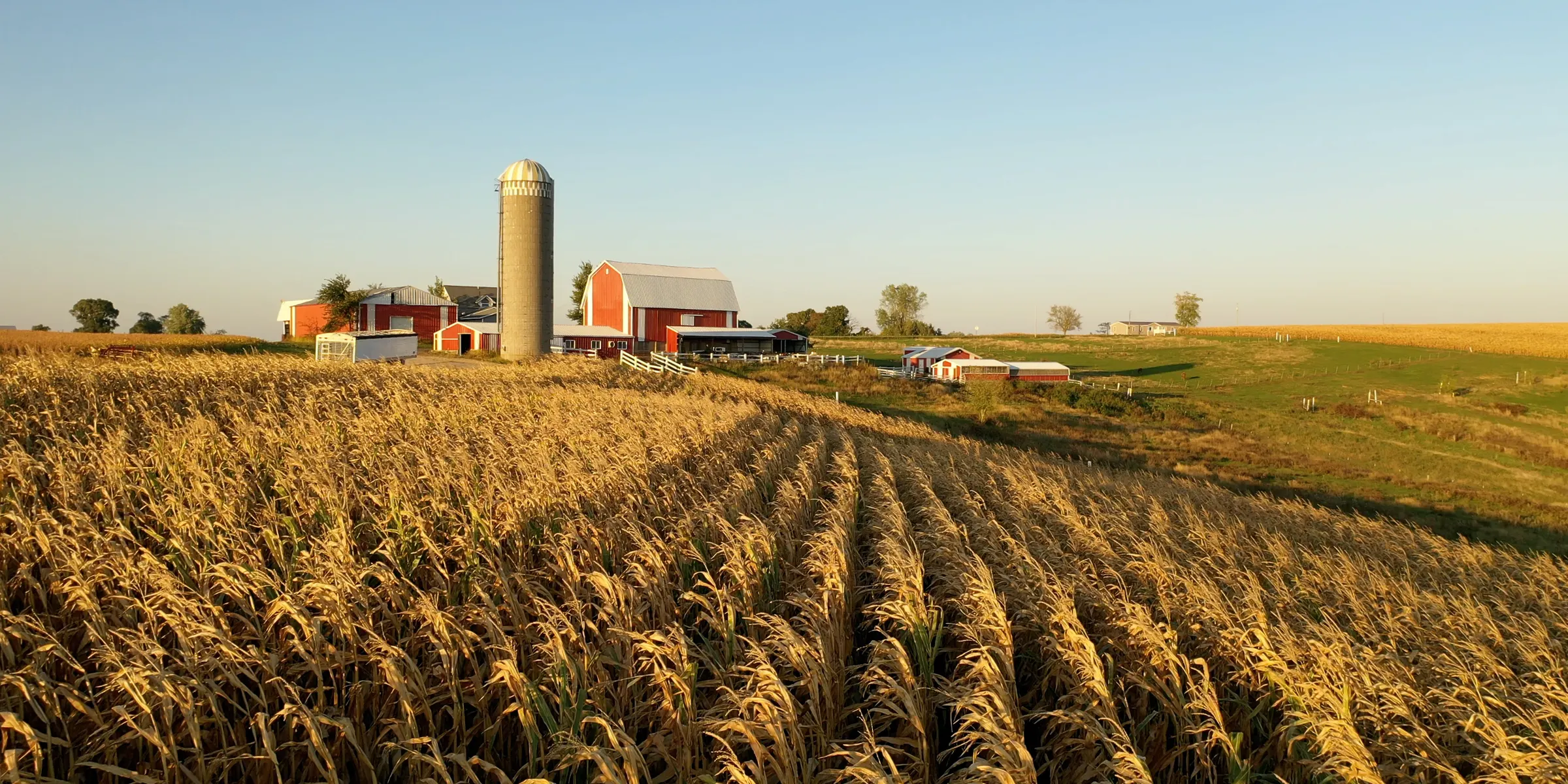
A cash rent lease is the most common way farmland is rented in the United States. The farmer pays the landowner a fixed amount per acre each year and keeps the whole crop, along with its costs and its risks.
Because the rent does not move with yields or prices, the landowner gets predictable income. The farmer keeps every bushel above break-even, and carries every bad year too.
How the rent works
Rent is usually set per tillable acre, so the lease should say exactly which acres count. Waterways, field edges and farmstead ground are often left out.
It is commonly paid in one or two installments, for example half in the spring and half after harvest. Paying part of the rent up front gives the landowner some security; paying after harvest helps the farmer’s cash flow.
Many cash rent leases run year to year and renew automatically unless one side gives notice by a set date. Some states set that deadline in law for farm leases. In Iowa, for example, notice to end a farm lease must be given by September 1. Check the rule where your land is.
Example
- Tillable acres
- 160
- Rent
- $250 per acre
- Annual rent
- $40,000
- Due March 1
- $20,000
- Due November 1
- $20,000
Figures are for illustration only. Rents vary widely by county and soil; many state extension services publish a cash rent survey each year.
What to put in writing
- The names of both sides, and who signs
- A legal description or map of the land, and the tillable acres the rent is based on
- The rent per acre, the total, and each payment date
- When the lease starts and ends, how it renews, and the deadline for giving notice
- Who pays for lime, fertilizer carry-over, drainage and conservation work
- Rules for hunting, buildings, fences and access
- Who receives government program payments
- What happens if the land is sold or the landowner dies
What each side should keep an eye on
Farmer
- The notice deadline, so you are never surprised by losing the ground
- That the rent is based on the acres you can actually farm
- Credit for long-term improvements, such as lime applied in your last year
Landowner
- That each payment arrives when it is due
- How the rent compares with local surveys before renewal
- Your own notice deadline if you want to change the terms
Run a cash rent lease in AgTerms
- Rent per acre and the payment schedule, with reminders before each due date
- The notice deadline and term end on both sides’ calendars and to-do lists
- The farmer marks rent as sent, and the landowner confirms it arrived
- A full lease built from your terms, signed electronically
- Already have a signed lease? Upload it and AgTerms reads the terms for you
Set it up by answering a few questions, by describing the deal in your own words, or by uploading the lease you already signed. Free for up to 2 active agreements.
Create a free accountQuestions
How is cash rent usually paid?
Most often in one or two installments a year, such as half in the spring and half after harvest. The lease should list each due date and amount.
Does a cash rent lease end on its own?
Many do not. A year-to-year lease usually renews automatically unless one side gives notice by the deadline in the lease or in state law, so put that date on the calendar.
Is cash rent charged on every acre?
Usually only on tillable acres. Write the number of acres the rent is based on into the lease so there is no question later.
This guide is general information, not legal or tax advice. Lease law differs from state to state; for an agreement that matters, talk to an attorney or your state extension service.